
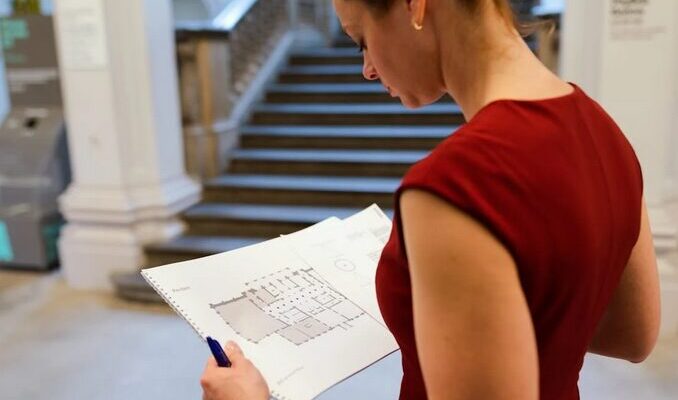
Mistakes to Avoid When Looking for Interior Design Services

Hiring the right interior designer can make all the difference when transforming your home into a stylish and functional space. However, many homeowners rush the process, leading to costly mistakes that affect both the design outcome and the overall experience. Interior designer Maplewood and other experts can provide valuable insight into how to choose the right services and avoid common pitfalls. From overlooking budget constraints to failing to communicate your vision clearly, these errors can derail a project before it even begins. By being aware of what to watch out for, you can ensure that your design journey is smooth, collaborative, and ultimately successful in bringing your dream space to life.

Not Defining Your Budget Clearly

One of the biggest mistakes people make is failing to establish a clear budget before approaching a designer. Without financial boundaries, projects can quickly spiral out of control, leaving you with unexpected costs. Being upfront about how much you’re willing to spend helps designers source materials and propose solutions that align with your financial plan.

Overlooking Portfolio and Experience
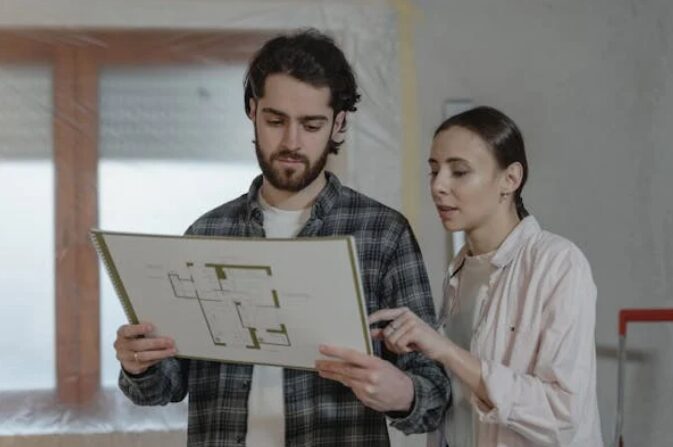
portfolio

Many homeowners hire interior designers based on referrals or popularity, but skip reviewing their portfolio. Each designer has a unique style, and their past projects reveal whether their vision matches your expectations. Neglecting this step can lead to a mismatch in design preferences, leaving you dissatisfied with the final result.

Ignoring Communication Style

Interior design is a collaborative process. If a designer doesn’t listen to your ideas or isn’t easy to communicate with, the project can become frustrating. Clear communication ensures your needs are understood, timelines are met, and changes are handled smoothly. Failing to evaluate this early on often leads to misunderstandings down the line.

Not Asking About Project Timelines

A well-organized interior design project requires proper scheduling. Many homeowners forget to ask about timelines, leading to delays that disrupt daily life. By discussing realistic completion dates and understanding potential challenges, you can avoid frustration and better plan around renovations or installations.

Relying Solely on Price
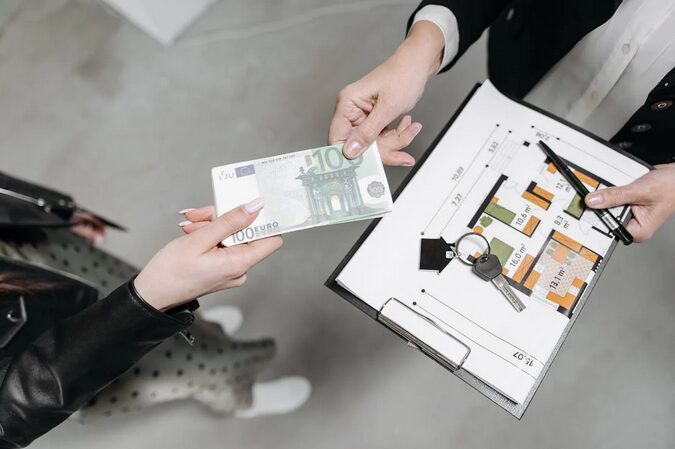
price and budget

While affordability is important, choosing the cheapest interior designer isn’t always the best option. Lower costs may mean compromises in quality, limited customization, or lack of experience. Instead of focusing only on price, consider value for money by weighing expertise, creativity, and service quality.

Failing to Check Reviews and References

Online reviews and past client testimonials offer valuable insights into a designer’s professionalism and reliability. Skipping this step increases the risk of working with someone who may not deliver on promises. Speaking directly with past clients can give you confidence in your choice and highlight any potential concerns.

Skipping a Written Agreement

Some homeowners rely on verbal agreements, which can lead to disputes later. A detailed written contract outlining the scope of work, costs, and timelines protects both you and the designer. Without it, you may face misunderstandings about expectations, payment schedules, or project outcomes.

Finding the right interior design service is about more than aesthetics—it’s about collaboration, trust, and careful planning. By avoiding mistakes such as skipping portfolio reviews, failing to budget, or ignoring communication, you increase the chances of a smooth and successful project. With the right designer, your vision can be transformed into a stylish, functional, and personalized home you’ll enjoy for years to come.…

Read more

Nature-Inspired Designs: Finding Peace in Your Home Amidst Climate Anxiety

In a world increasingly characterized by climate anxiety, our homes have become sanctuaries—a refuge where we seek solace from the chaos outside. What if you could bring the calming essence of nature into your living space? Nature-inspired designs not only beautify our environments but also offer a therapeutic escape that nurtures our mental well-being. Imagine lush greens, soothing earth tones, and organic textures enveloping you in tranquility as you unwind after a long day.

In this blog post, we’ll explore how incorporating natural elements into your home can create a peaceful haven for both body and mind—helping us to reconnect with the healing power of the environment while embracing sustainable practices. Join us on this journey to transform your living space into an oasis of calm amidst uncertain times.

Sustainable Materials

Gone are the days when flashy and wasteful were cool. Now, it’s all about materials that are eco-friendly, responsibly sourced, and built to last. Think reclaimed wood, bamboo flooring, recycled metal fixtures, low-VOC paints, and natural fibers like linen and organic cotton. People are choosing furniture made from sustainable sources, often from local makers, to reduce shipping emissions. It’s not just about being green—it’s about feeling good in a space that aligns with your values.

Secondhand Pieces

Thrifted, vintage, and upcycled pieces are having a serious moment. Not only does buying secondhand reduce waste and demand for new production, but it also adds character and uniqueness to a home. Plus, the thrill of finding the perfect vintage rug or mid-century armchair? Chef’s kiss. Online marketplaces, garage sales, and estate auctions are the new design playgrounds. It’s about mixing and matching in a way that’s stylish, not wasteful.

Biophilic Design

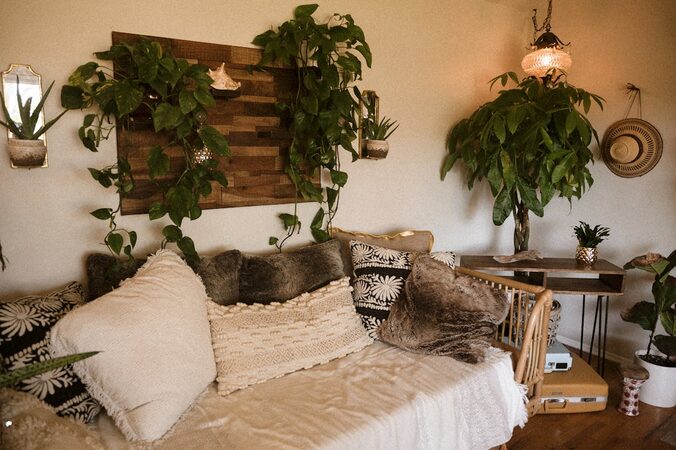
Plants aren’t just a trend— in the hands of a top Maplewood interior designer, they’re practically therapy. Biophilic design, which emphasizes a connection to nature, is booming as more people crave a calming environment that reminds them of the outdoors. We’re talking green walls, indoor gardens, natural light, earthy color palettes, and organic shapes. Studies even show that spaces designed with nature in mind can reduce stress and boost well-being. In a climate-anxious world, that’s a big deal.

Energy Efficiency

From smart thermostats to solar panels, sustainable energy solutions are becoming a part of interior design conversations. Swapping out outdated appliances for energy-efficient ones and using LED lighting is eco-friendly and can also help lower utility bills. Designers also focus on insulation, window treatments, and layouts that maximize natural light and airflow, reducing the need for heating and cooling. Form meets function, beautifully.

Minimalism With Meaning

Minimalism isn’t just about clean lines and decluttered spaces—it’s about intentional living. People are choosing quality over quantity, investing in fewer, better things that last longer and have a smaller environmental footprint. This approach not only reduces consumption but also creates a calmer home environment. In the age of climate anxiety, a peaceful, low-stress space feels more essential than ever.

Interior design is no longer just about aesthetics—it’s a way to respond to a world in flux. In this era of climate anxiety, our homes are becoming sanctuaries of sustainability, comfort, and mindfulness. Whether it’s adding more plants, thrifting your next coffee table, or choosing low-impact materials, every small change counts.…

Read more