
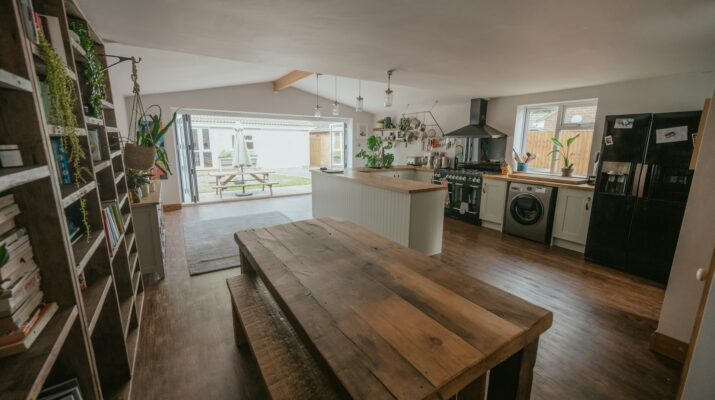
Open floor plans had a serious glow-up moment. Home shows treated them like the holy grail of modern living. We’re talking knock down walls, adding giant islands. Like, everybody’s kitchen, dining room, and living area merged into one massive “social space.” At first, it feels airy and stylish. Then real-life walks in carrying laundry baskets, loud televisions, and the smell of burnt salmon. The truth is, open layouts do not always age gracefully. Some homeowners eventually realize their beautiful open space keeps bringing issues that can cost a lot. Here’s why.
Noise Travels Like It Pays Rent
Walls exist for a reason. They block sound. Once they disappear, every blender, movie explosion, barking dog, and microwave beep floats freely through the house like an annoying ghost. One person trying to relax can suddenly hear somebody unloading dishes from three rooms away. The openness starts feeling less luxurious and more chaotic. Oddly enough, smaller homes suffer even more. In compact spaces, sound bounces around aggressively. There’s nowhere to escape. Even cheerful conversations can become exhausting after hours of constant overlap. Quiet corners suddenly become a rare treasure.
Furniture Placement Gets Weird Fast
Huge open areas sound flexible until you actually try arranging furniture. Suddenly, the sofa floats awkwardly in space like it lost its parking spot. Rugs become giant islands attempting to organize visual confusion. Homeowners spend shocking amounts of energy trying to make everything feel grounded. Traditional rooms naturally guide furniture placement. Open spaces demand a strategy.
You have to create invisible zones without walls to help you. That’s harder than it sounds. One wrong sectional placement and the entire room flow feels clunky. Large layouts can also feel cold over time. Cozy rooms often create emotional comfort because they feel contained. Open spaces sometimes lack that warmth. Especially at night. A massive dark kitchen connected to a giant living area can feel oddly empty after sunset.
Mess Becomes Everybody’s Problem
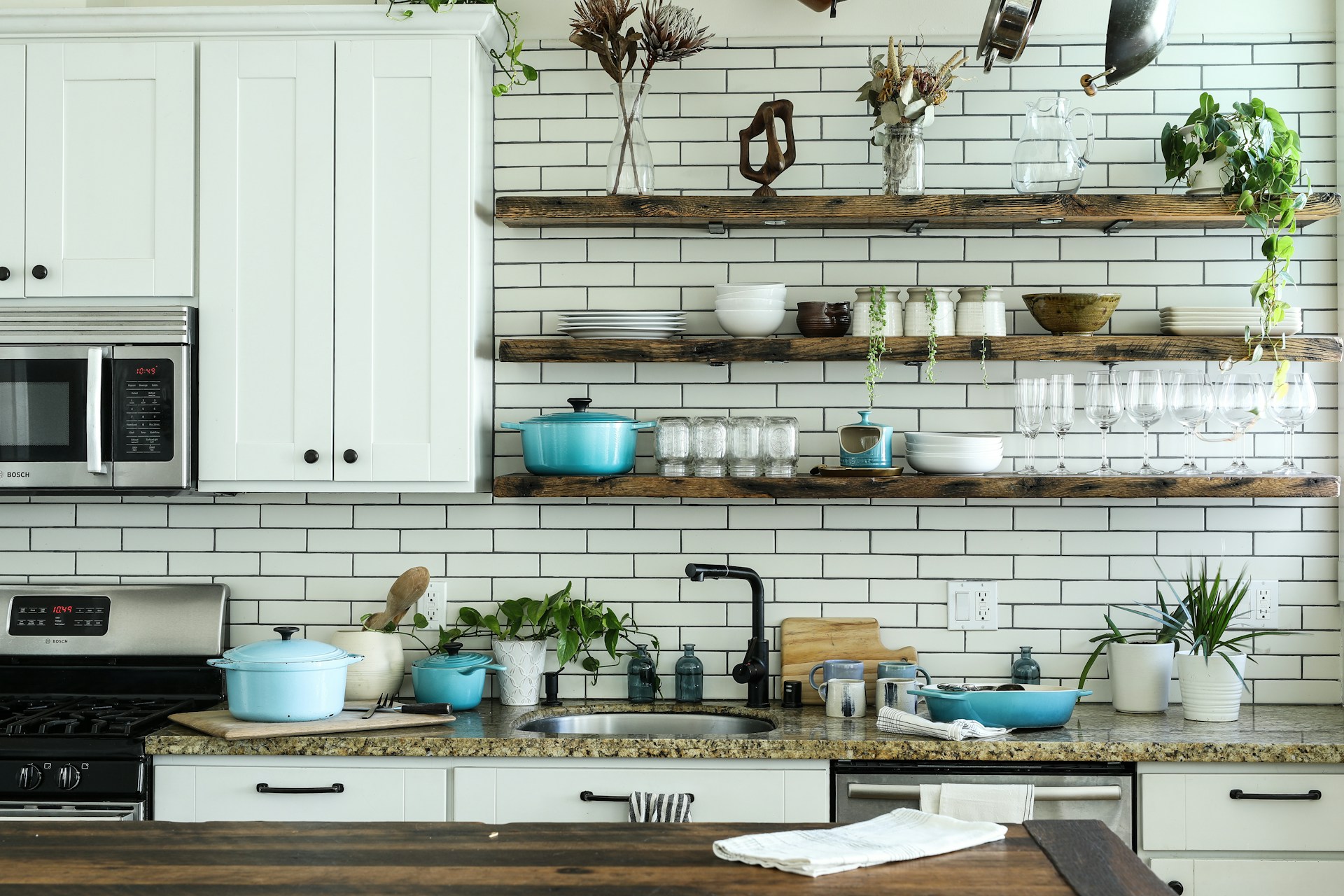
Closed kitchens had a secret superpower. They hid the disaster beautifully. Dirty pans? Fine. Half-finished recipes? Nobody cared. Open layouts put everything on stage permanently. Your living room now shares visual custody with the breakfast dishes. That pressure changes behavior. Homeowners often feel forced to clean constantly because guests can see everything immediately. One cluttered countertop suddenly affects the entire atmosphere of the house. A single pile of mail somehow manages to ruin the mood of three connected spaces at once.
Privacy Quietly Disappears
This is probably the biggest long-term issue. Open layouts reduce personal retreat spaces inside the home. Everybody shares the same visual and emotional environment most of the time. That sounds lovely until somebody wants solitude for twenty minutes. People changed, too. Remote work became more common. Video calls became normal. Families spend more hours at home now than many designers predicted years ago. Suddenly, separate rooms feel practical again instead of outdated.
Open floor plans still work beautifully for some households. They encourage conversation and create bright interiors. But the fantasy version sold online often skips the messy human side of daily living. Sometimes a wall is not the enemy. Sometimes it’s the peaceful roommate you didn’t realize you needed.…